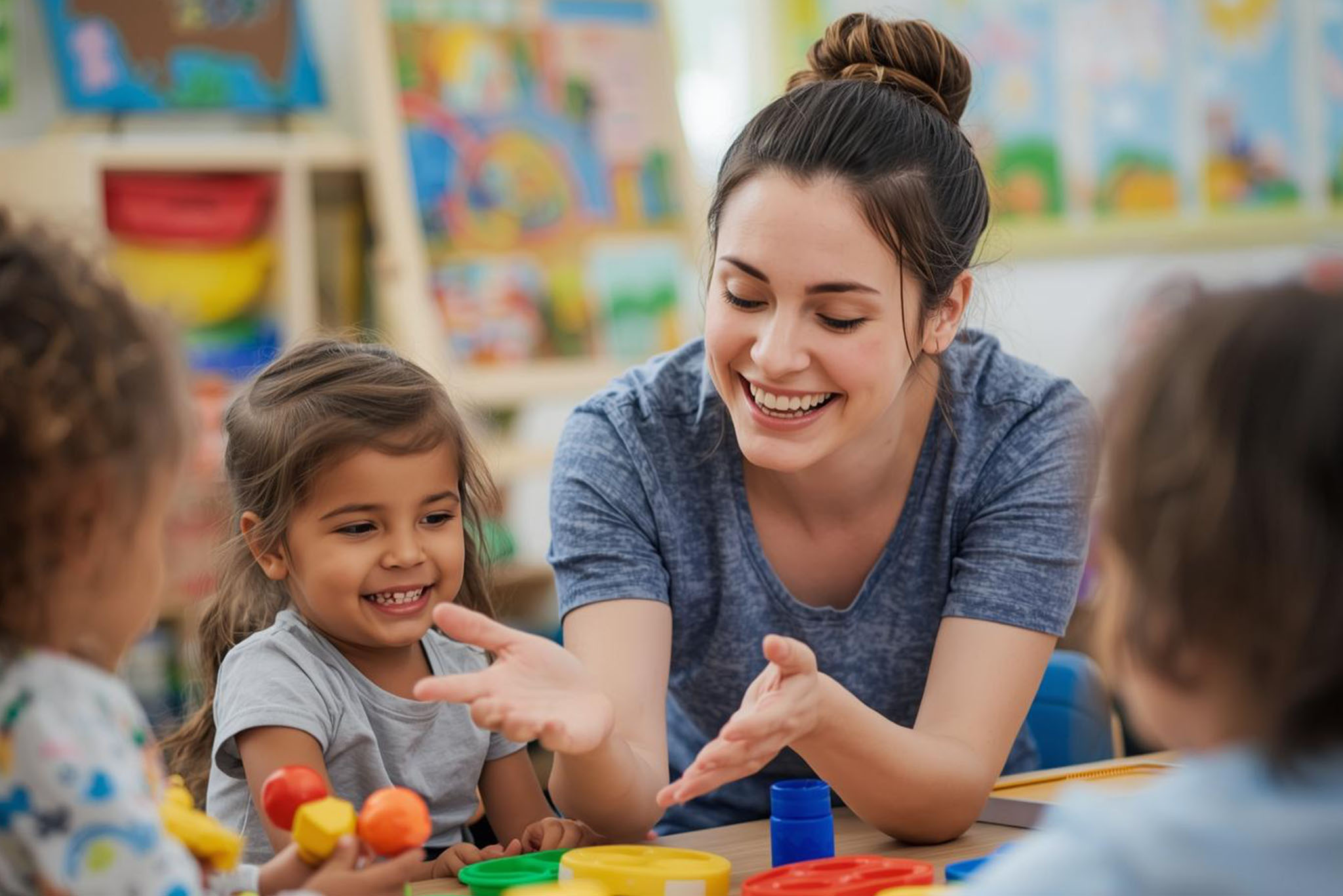
The classroom has long been regarded as the starting point of formal education, but its significance extends far beyond the acquisition of academic knowledge. It is within the classroom that individuals first encounter structured thinking, social collaboration, critical inquiry, and intellectual discipline. While technologies, learning platforms, and self-directed resources continue to expand educational access, the classroom remains a vital foundation for lifelong learning. It shapes attitudes toward knowledge, cultivates essential skills, and establishes habits that influence personal and professional growth throughout life.
In a rapidly changing world where information is abundant and careers are increasingly fluid, lifelong learning has become a necessity rather than an option. The classroom plays a central role in preparing individuals for this reality by fostering curiosity, adaptability, and a commitment to continuous improvement. Far from being a static or outdated environment, the modern classroom serves as a dynamic space where foundational learning experiences take root and evolve.
Understanding Lifelong Learning
Lifelong learning refers to the ongoing, voluntary, and self-motivated pursuit of knowledge across the lifespan. It encompasses formal education, informal experiences, professional development, and personal exploration. At its core, lifelong learning is driven by the ability to learn how to learn, rather than simply memorizing information for short-term objectives.
The mindset required for lifelong learning does not emerge spontaneously. It is cultivated through early educational experiences that emphasize inquiry, reflection, and intellectual independence. The classroom provides the first structured environment where learners encounter these principles in practice. Through guided instruction and meaningful engagement, students begin to understand that learning is not confined to examinations or academic milestones but is a continuous process that evolves with time and experience.
The Classroom as an Environment for Intellectual Growth
The physical and social structure of the classroom creates a unique environment that supports intellectual development. Unlike isolated learning, classroom education introduces learners to diverse perspectives, collaborative problem-solving, and guided discourse. These interactions deepen understanding and encourage learners to think beyond individual viewpoints.
Teachers play a crucial role in shaping this environment. By presenting knowledge in a contextual and engaging manner, educators help students connect ideas across subjects and real-world situations. This approach fosters deeper comprehension and reinforces the relevance of learning beyond academic settings. When students experience learning as meaningful and applicable, they are more likely to carry that motivation into adulthood.
The classroom also introduces learners to discipline and consistency. Regular schedules, structured activities, and clear expectations teach students how to manage time, set goals, and take responsibility for their progress. These habits form the backbone of lifelong learning, enabling individuals to pursue new skills and knowledge independently later in life.
Developing Critical Thinking and Inquiry Skills
One of the most enduring contributions of the classroom is the development of critical thinking. Rather than passively absorbing information, effective classroom learning encourages students to question assumptions, analyze evidence, and evaluate different perspectives. These skills are essential in a world where information is constantly evolving and not all sources are equally reliable.
Through discussion, debate, and problem-based learning, students learn how to articulate ideas, defend arguments, and consider alternative viewpoints. These experiences help learners move beyond surface-level understanding and develop analytical depth. Over time, critical thinking becomes an internalized process that supports decision-making, innovation, and adaptability throughout life.
Inquiry-based learning further strengthens this foundation by placing curiosity at the center of education. When students are encouraged to ask questions and explore answers independently, they develop confidence in their ability to learn autonomously. This sense of intellectual agency is a defining characteristic of lifelong learners.
Social Learning and Collaborative Skills
Learning is not solely an individual endeavor. The classroom provides a social context where students develop communication, cooperation, and interpersonal skills. Group projects, peer discussions, and collaborative problem-solving activities teach learners how to work effectively with others, resolve conflicts, and respect diverse perspectives.
These social competencies are essential for lifelong learning, particularly in professional and community settings where collaboration is often required. The ability to learn from others, share knowledge, and adapt within a team enhances both personal growth and collective success. The classroom offers a structured yet flexible space for practicing these skills in a supportive environment.
Social learning also reinforces emotional intelligence. Through interaction with peers and teachers, students learn empathy, resilience, and self-awareness. These qualities contribute to a positive learning mindset and support continued growth even in challenging circumstances.
Building Confidence and Motivation to Learn
Confidence plays a critical role in lifelong learning. Individuals who believe in their ability to learn are more likely to seek new knowledge and embrace unfamiliar challenges. The classroom contributes to this confidence by providing opportunities for achievement, feedback, and reflection.
When educators recognize effort and progress, rather than focusing solely on outcomes, students develop a growth-oriented mindset. They learn that mistakes are part of the learning process and that improvement comes through persistence and practice. This perspective encourages learners to approach future learning experiences with optimism rather than fear.
Motivation is further reinforced when learning is engaging and relevant. A classroom that connects academic content to real-world applications helps students understand the value of knowledge beyond grades or credentials. This intrinsic motivation becomes a powerful driver of lifelong learning.
The Role of Teachers as Lifelong Learning Models
Teachers are not only instructors but also role models for lifelong learning. Their attitudes toward knowledge, curiosity, and professional growth influence how students perceive learning itself. When educators demonstrate enthusiasm for learning and openly engage in continuous development, they send a powerful message about the importance of intellectual growth.
Effective teachers encourage students to explore topics beyond the curriculum and to pursue interests independently. By guiding rather than dictating learning, educators empower students to take ownership of their educational journey. This mentorship extends beyond academic instruction, shaping values and habits that endure long after formal schooling ends.
The teacher-student relationship also plays a significant role in fostering a supportive learning environment. Trust, encouragement, and constructive feedback create a space where learners feel safe to explore ideas and take intellectual risks. Such experiences leave a lasting impression and contribute to a positive lifelong relationship with learning.
Adapting to Change Through Foundational Learning
The modern world is characterized by rapid change in technology, employment, and social structures. Lifelong learning is essential for adapting to these shifts, and the classroom provides the foundational skills needed to navigate uncertainty. By teaching learners how to think critically, communicate effectively, and learn independently, classrooms prepare individuals for continuous adaptation.
Foundational learning emphasizes transferable skills rather than isolated knowledge. Skills such as problem-solving, research, and self-reflection enable learners to apply their education across diverse contexts. These competencies allow individuals to respond to new challenges with confidence and creativity.
The classroom also introduces learners to structured learning processes that can be replicated throughout life. Whether through formal training or self-directed study, the ability to engage with new material systematically is a direct extension of classroom experiences.
The Classroom in a Digital and Global Context
While digital technologies have transformed access to information, the classroom remains essential in guiding learners through this abundance. Educators help students develop digital literacy, discern credible sources, and use technology responsibly. These skills are critical for lifelong learning in an interconnected world.
The classroom also serves as a space for global awareness. Exposure to diverse cultures, ideas, and perspectives broadens understanding and encourages openness. This global mindset supports lifelong learning by fostering curiosity about the world and a willingness to engage with new experiences.
Rather than competing with digital learning, the classroom complements it by providing context, structure, and human interaction. This balanced approach ensures that learners are not only informed but also thoughtful and reflective.
Sustaining the Value of the Classroom
Despite evolving educational models, the classroom continues to hold enduring value. Its role in shaping foundational learning experiences cannot be replicated solely through independent study or digital platforms. The combination of guided instruction, social interaction, and structured inquiry creates a holistic learning environment that supports long-term growth.
Investing in classroom quality, teacher development, and inclusive learning practices strengthens the foundation for lifelong learning. When classrooms prioritize engagement, critical thinking, and personal development, they equip learners with tools that extend far beyond formal education.
The classroom’s influence is not limited to academic success. It shapes attitudes, values, and habits that define how individuals approach learning throughout their lives. In this sense, the classroom is not merely a place of instruction but a catalyst for continuous intellectual and personal evolution.