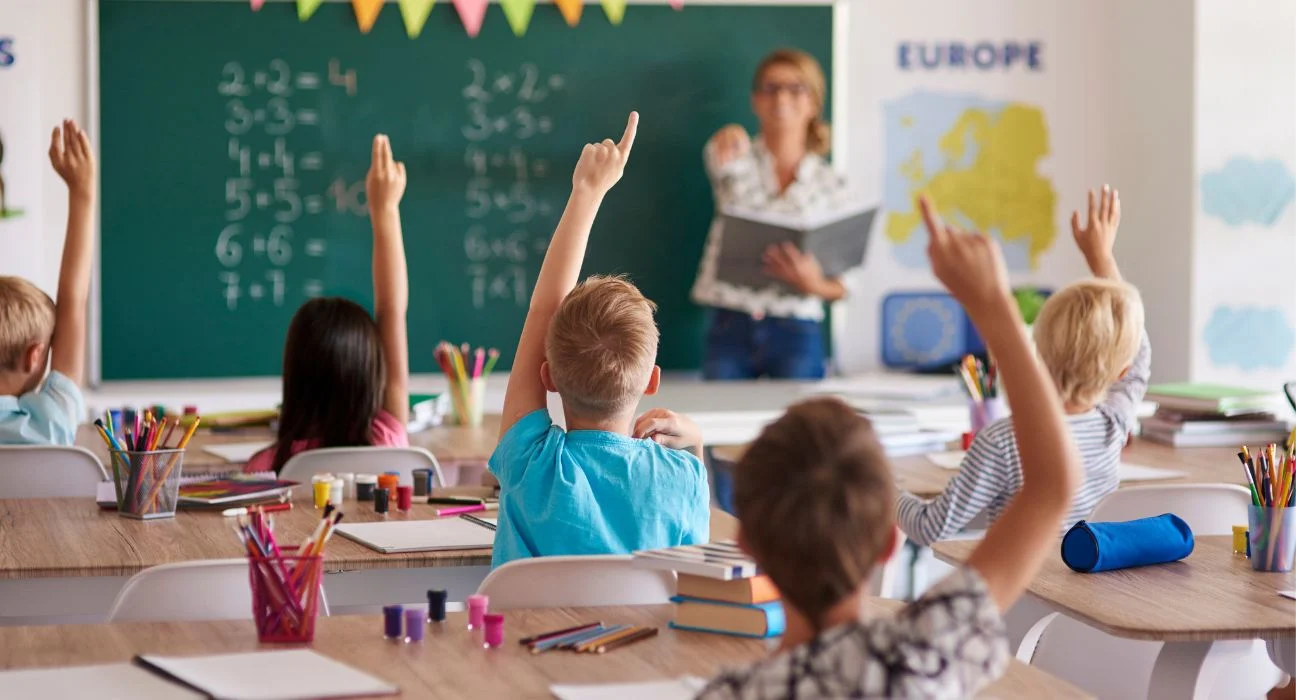
A classroom is far more than a physical space where lessons are delivered and assignments are completed. It is a social, emotional, and intellectual environment that profoundly influences how students learn, behave, and grow. The quality of this environment plays a decisive role in shaping student success, affecting academic performance, motivation, confidence, and long-term attitudes toward learning. A positive classroom environment does not emerge by chance. It is intentionally created through thoughtful teaching practices, respectful relationships, and a shared commitment to learning.
In an era where education faces increasing demands and diverse learner needs, understanding the importance of a positive classroom environment has never been more critical. When students feel safe, valued, and supported, they are more likely to engage actively, take intellectual risks, and achieve rememberable success that extends beyond academic results.
Defining a Positive Classroom Environment
A positive classroom environment is characterized by mutual respect, emotional safety, and a sense of belonging. It is a place where students feel comfortable expressing ideas, asking questions, and making mistakes without fear of judgment. Such an environment supports both academic and personal development by addressing students’ cognitive and emotional needs.
This environment is shaped by classroom culture, teacher attitudes, peer interactions, and instructional approaches. It reflects the values that guide learning, including fairness, inclusivity, and encouragement. When these elements are present, the classroom becomes a community rather than merely a learning space.
Emotional Safety and Student Well-Being
Emotional safety is the foundation of meaningful learning. Students who feel anxious, ignored, or misunderstood often struggle to focus and participate fully. A positive classroom environment prioritizes emotional well-being by fostering trust and understanding between teachers and students.
When educators demonstrate empathy and consistency, students develop a sense of security that allows them to concentrate on learning rather than self-protection. This emotional stability reduces stress and increases resilience, enabling students to handle challenges with confidence. Over time, emotionally supportive classrooms contribute to improved self-esteem and mental well-being, both of which are essential for sustained success.
The Impact on Academic Engagement
Engagement is a key indicator of student success, and it is closely linked to the classroom environment. In positive classrooms, students are more likely to participate in discussions, collaborate with peers, and remain attentive during lessons. This active involvement enhances understanding and retention of knowledge.
A supportive environment encourages curiosity and exploration. When students feel their contributions are valued, they are motivated to invest effort and take ownership of their learning. This sense of agency transforms students from passive recipients of information into active learners who seek meaning and relevance in their education.
Teacher-Student Relationships as a Cornerstone
Strong teacher-student relationships are central to a positive classroom environment. When teachers show genuine interest in students’ experiences and progress, they create a climate of respect and trust. These relationships help students feel seen and understood, which significantly influences their motivation and engagement.
Teachers who communicate clearly, listen attentively, and provide constructive feedback establish credibility and approachability. Students are more likely to ask for help, accept guidance, and persist through difficulties when they believe their teacher is invested in their success. Over time, these relationships shape students’ attitudes toward authority, learning, and collaboration.
Peer Relationships and Social Development
The classroom environment also shapes how students interact with one another. Positive peer relationships contribute to a sense of belonging and reduce feelings of isolation. When classrooms promote cooperation and mutual respect, students learn to value diverse perspectives and work effectively as part of a group.
Healthy peer interactions enhance social skills such as communication, empathy, and conflict resolution. These skills not only support academic collaboration but also prepare students for future personal and professional relationships. A classroom that models positive social behavior helps students develop the interpersonal competence necessary for lifelong success.
Motivation and Confidence Building
A positive classroom environment plays a critical role in building student motivation and confidence. When learning is framed as a process rather than a performance, students are encouraged to focus on growth and improvement. Supportive feedback and recognition of effort reinforce the belief that abilities can develop through practice and perseverance.
This growth-oriented approach reduces fear of failure and promotes resilience. Students who feel confident in their learning environment are more willing to attempt challenging tasks and explore new ideas. As confidence grows, so does motivation, creating a positive cycle that enhances academic achievement and personal development.
Classroom Management and Structure
Effective classroom management contributes significantly to a positive learning environment. Clear expectations, consistent routines, and fair discipline create a sense of order and predictability. Students are more comfortable and focused when they understand what is expected of them and trust that rules are applied equitably.
A well-managed classroom minimizes disruptions and maximizes instructional time. It also promotes mutual respect by balancing authority with flexibility. When students perceive classroom management as supportive rather than punitive, they are more likely to take responsibility for their behavior and contribute positively to the learning community.
Inclusivity and Respect for Diversity
A positive classroom environment embraces diversity and promotes inclusivity. Students come from varied cultural, social, and educational backgrounds, and recognizing this diversity enriches the learning experience. Inclusive classrooms value different perspectives and ensure that all students feel respected and represented.
When teachers acknowledge and celebrate diversity, they foster a sense of belonging that enhances engagement and self-worth. Students learn to appreciate differences and develop open-mindedness, which is essential for success in a globalized world. Inclusivity also helps address equity by providing all students with opportunities to succeed.
The Role of Teaching Methods and Learning Design
Instructional approaches significantly influence the classroom environment. Engaging teaching methods that encourage interaction, creativity, and critical thinking contribute to a positive learning atmosphere. Lessons that connect content to real-world contexts make learning meaningful and relevant.
Student-centered learning approaches empower learners by involving them in decision-making and problem-solving. This active participation strengthens motivation and deepens understanding. When teaching methods align with students’ needs and interests, the classroom becomes a dynamic space that supports sustained engagement and success.
Long-Term Effects on Student Success
The influence of a positive classroom environment extends beyond immediate academic outcomes. Students who experience supportive and engaging classrooms develop positive attitudes toward learning that persist throughout their lives. They are more likely to pursue further education, adapt to change, and engage in continuous self-improvement.
These long-term effects highlight the classroom’s role in shaping not only academic success but also character, values, and life skills. A positive environment nurtures independence, responsibility, and confidence, equipping students with tools that support success in diverse contexts.
Challenges and the Need for Intentional Effort
Creating and maintaining a positive classroom environment requires intentional effort and ongoing reflection. Educators face challenges such as limited resources, diverse learner needs, and external pressures. Despite these challenges, prioritizing the learning environment remains essential.
Continuous professional development, collaboration, and responsiveness to student feedback help educators adapt and improve classroom practices. When schools support teachers in this effort, the benefits extend to students, families, and the broader educational community.