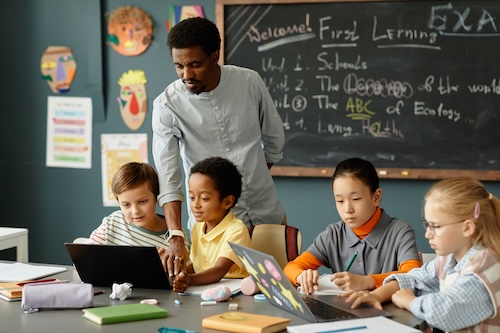
The classroom has always been more than a physical space where lessons are delivered. It is a formative environment where habits of thinking, curiosity, discipline, and collaboration begin to take shape. In a world defined by rapid technological change, shifting career paths, and constant access to information, the classroom continues to play a vital role in preparing individuals not just for exams or jobs, but for a lifetime of learning.
While digital tools and alternative learning platforms have expanded access to knowledge, the classroom remains a foundational experience. It is where learners first encounter structured inquiry, guided exploration, and shared intellectual effort. Understanding the classroom as a foundation for lifelong learning allows educators, institutions, and societies to strengthen its purpose in an evolving educational landscape.
The Classroom as a Learning Community
At its best, the classroom functions as a community rather than a one way channel of instruction. Within this shared space, learners engage with ideas, challenge assumptions, and learn to listen to perspectives different from their own. These interactions cultivate social and cognitive skills that extend far beyond academic content.
Participation in a learning community teaches responsibility and respect. Students learn that their contributions matter and that learning is enriched through dialogue. This collective experience fosters confidence and a sense of belonging, both of which are essential for sustained engagement with learning throughout life.
The classroom also introduces learners to shared goals and expectations. Through collaborative activities and guided discussion, individuals develop the ability to work with others toward common objectives, a skill that remains essential in professional and civic life.
Developing the Capacity to Learn
One of the most enduring outcomes of classroom education is the development of learning capacity. This includes the ability to ask meaningful questions, seek evidence, reflect on understanding, and adapt strategies when faced with challenges.
Effective classrooms emphasize process as much as content. Learners are encouraged to explore how knowledge is constructed rather than simply memorizing information. This approach builds intellectual flexibility and resilience, enabling individuals to continue learning even when formal instruction is no longer present.
Teachers play a central role in modeling learning behaviors. By demonstrating curiosity, critical thinking, and openness to new ideas, educators show that learning is an ongoing practice rather than a completed task. These examples leave lasting impressions that shape attitudes toward education long after students leave the classroom.
Critical Thinking and Independent Judgment
Lifelong learning depends on the ability to evaluate information and make informed decisions. The classroom provides an early and structured environment for developing critical thinking and independent judgment.
Through discussion, analysis, and problem solving, learners are challenged to move beyond surface understanding. They learn to examine assumptions, weigh evidence, and consider multiple viewpoints. These skills are increasingly important in a world where information is abundant and not always reliable.
A classroom that values inquiry over rote answers helps students become discerning thinkers. This foundation supports responsible citizenship, professional competence, and personal growth across all stages of life.
The Role of Guidance and Mentorship
While self directed learning is essential, guidance remains a critical element of educational development. The classroom provides access to experienced educators who can offer structure, feedback, and encouragement.
Teachers help learners navigate complexity by framing questions, clarifying concepts, and offering constructive critique. This mentorship supports confidence and helps learners recognize their own potential.
Equally important is the emotional support provided within the classroom. Encouragement, recognition, and fair challenge help learners build motivation and perseverance. These qualities sustain engagement with learning long after formal schooling ends.
Building Habits of Curiosity and Reflection
Curiosity is a powerful driver of lifelong learning, and the classroom is often where it is first nurtured intentionally. When learners are encouraged to explore ideas, make connections, and pursue interests, learning becomes intrinsically meaningful.
Reflection is closely linked to curiosity. Thoughtful classrooms provide opportunities for learners to consider what they have learned, how they have learned it, and how their understanding has changed. This reflective practice deepens comprehension and supports continuous improvement.
By embedding curiosity and reflection into everyday learning, classrooms help learners internalize habits that guide personal and professional development throughout life.
Adapting to Change Through Foundational Skills
The modern world requires individuals to adapt to new technologies, roles, and challenges. While specific knowledge may change, foundational skills developed in the classroom remain relevant.
Communication, collaboration, problem solving, and ethical reasoning are cultivated through classroom experiences. These skills enable learners to navigate uncertainty and acquire new competencies as circumstances evolve.
Classrooms that emphasize adaptability prepare learners to view change as an opportunity rather than a threat. This mindset is essential for lifelong learning in dynamic social and economic environments.
The Classroom and Social Development
Learning is not purely cognitive. The classroom plays a significant role in social and emotional development, shaping how individuals interact with others and understand themselves.
Through group work, discussion, and shared challenges, learners develop empathy and emotional awareness. They learn to manage disagreement, accept feedback, and support peers. These experiences contribute to emotional intelligence, which is closely linked to success and well being throughout life.
A supportive classroom environment also helps learners develop self awareness and confidence. Feeling seen and valued encourages continued engagement with learning and personal growth.
Technology as a Supportive Tool
Technology has transformed how information is accessed, but its most effective role in education is as a support rather than a replacement for the classroom. When integrated thoughtfully, digital tools enhance engagement, collaboration, and personalization.
Classrooms that use technology to support exploration and creativity help learners develop digital literacy alongside traditional skills. These experiences prepare individuals to navigate digital environments critically and responsibly.
Importantly, the classroom provides guidance in using technology purposefully. Learners gain insight into when and how digital tools add value, reinforcing thoughtful and intentional learning practices.
Equity, Access, and Shared Opportunity
The classroom remains a vital space for promoting equity and shared opportunity. It offers structured access to resources, guidance, and learning experiences that may not be available elsewhere.
When classrooms are inclusive and supportive, they help reduce barriers to participation and achievement. Diverse perspectives enrich learning and prepare individuals to engage respectfully with a complex world.
By fostering fairness and inclusion, classrooms contribute to social cohesion and enable lifelong learning to be accessible to a broader range of people.
Lifelong Learning Beyond Formal Education
The influence of the classroom extends well beyond the years of formal education. The attitudes, skills, and habits formed in early learning environments shape how individuals approach learning throughout adulthood.
Those who experience classrooms that value inquiry, effort, and growth are more likely to seek learning opportunities later in life. They approach new challenges with confidence and view learning as a continuous process rather than a finite stage.
In this way, the classroom serves as a launching point for self directed learning, professional development, and personal enrichment across the lifespan.
Reimagining the Classroom for the Future
As societies evolve, classrooms must continue to adapt while preserving their foundational role. This involves rethinking pedagogy, assessment, and learning environments to better support lifelong learning.
Future focused classrooms emphasize active participation, meaningful assessment, and real world relevance. They encourage learners to connect knowledge across disciplines and apply understanding to authentic challenges.
By aligning classroom practices with the realities of modern life, educators can ensure that foundational learning remains strong and relevant