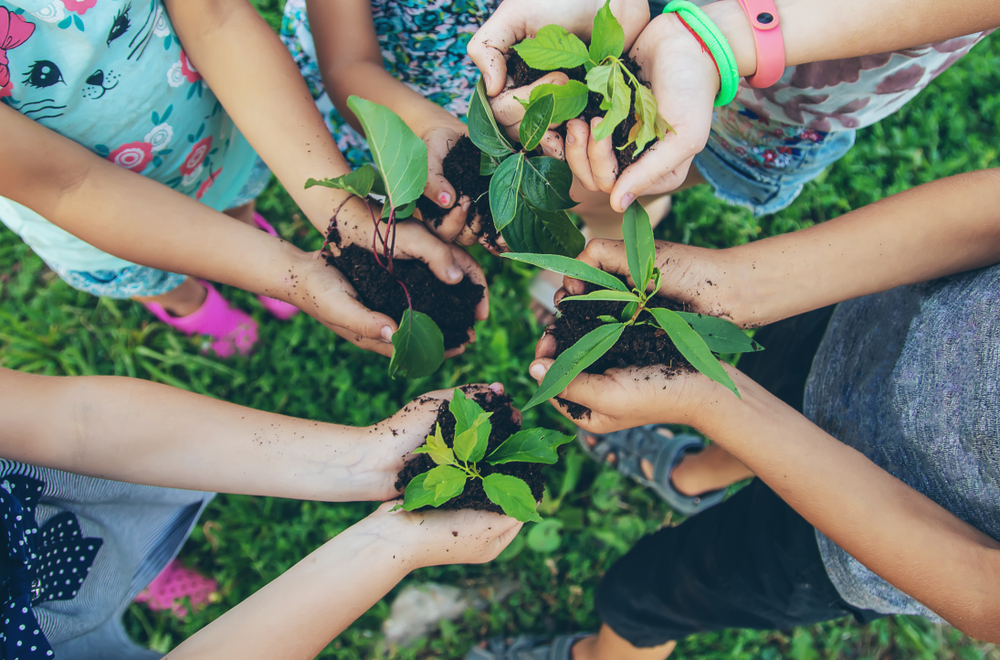
Sustainable education is more than an academic concept. It is a long-term commitment to shaping how people understand their relationship with the natural world, with each other, and with future generations. As environmental challenges continue to affect ecosystems, economies, and communities across the globe, education plays a central role in guiding societies toward more responsible and thoughtful ways of living. Sustainable education focuses on nurturing awareness, values, and skills that encourage learners to care for the planet while building resilient and inclusive communities.
At its core, sustainable education connects knowledge with responsibility. It invites learners to explore how everyday choices influence the environment and how informed decisions can reduce harm and promote balance. This form of education does not remain limited to textbooks or classrooms. It extends into daily life, encouraging learners to observe their surroundings, question existing systems, and imagine better solutions. By fostering curiosity and ethical awareness, sustainable education empowers individuals to become active participants in protecting the planet.
The Meaning and Purpose of Sustainable Education
Sustainable education is rooted in the idea that learning should support both human development and environmental protection. It integrates ecological awareness with social and economic understanding, recognizing that these dimensions are deeply interconnected. Education that ignores environmental limits risks preparing learners for a future that may not be viable. Sustainable education, in contrast, aims to prepare individuals to thrive within the boundaries of the natural world.
The purpose of sustainable education is not only to share information about environmental issues. It seeks to shape attitudes and behaviors that support long-term well-being. Learners are encouraged to reflect on their values, consider the impact of their actions, and develop empathy for both people and nature. This approach promotes critical thinking and ethical reasoning, helping learners navigate complex challenges such as climate change, resource scarcity, and social inequality.
Sustainable education also emphasizes adaptability. The future is uncertain, and environmental conditions are changing rapidly. Learners must develop the ability to respond creatively and responsibly to new situations. By encouraging problem-solving and collaboration, sustainable education equips individuals with the skills needed to face emerging challenges while maintaining respect for the planet.
Education as a Foundation for Environmental Awareness
Awareness is the first step toward meaningful change. Sustainable education helps learners understand how natural systems function and why they are essential for life. Through exploration of ecosystems, biodiversity, and natural cycles, learners gain insight into the delicate balance that sustains the planet. This knowledge fosters appreciation and respect for nature, which are essential for long-term environmental stewardship.
Environmental awareness also includes understanding human impact on the planet. Sustainable education encourages learners to examine how industries, technologies, and consumption patterns affect ecosystems. By studying real-world examples, learners can see how actions at local and global levels contribute to environmental degradation or restoration. This awareness helps individuals recognize their own role within larger systems.
Importantly, sustainable education avoids presenting environmental issues as distant or abstract. Instead, it connects global challenges to local experiences. Learners are encouraged to observe their own communities, identify environmental concerns, and explore practical solutions. This localized approach makes sustainability more relatable and empowers learners to take action where they live.
Integrating Sustainability Across the Curriculum
Sustainable education is most effective when it is integrated across subjects rather than treated as a separate topic. Environmental themes can be woven into science, social studies, literature, art, and even mathematics. This interdisciplinary approach reflects the complexity of real-world challenges, which rarely fit neatly into a single field of study.
In science education, sustainability encourages exploration of renewable energy, ecosystems, and climate processes. In social studies, learners can examine how environmental issues intersect with history, culture, and economic systems. Literature and the arts offer opportunities to explore human relationships with nature, express environmental values, and imagine sustainable futures.
By embedding sustainability across the curriculum, educators help learners see connections between different areas of knowledge. This holistic perspective supports deeper understanding and encourages learners to think systemically. It also reinforces the idea that sustainability is not an isolated concern but a guiding principle that influences all aspects of life.
The Role of Educators in Sustainable Learning
Educators play a vital role in shaping sustainable education. Their attitudes, teaching methods, and choices influence how learners perceive environmental issues. Educators who model sustainable behaviors, such as reducing waste or conserving resources, demonstrate that sustainability is a lived practice rather than an abstract concept.
Effective sustainable education relies on participatory teaching methods. Rather than focusing solely on lectures, educators can encourage discussion, experimentation, and collaboration. Project-based learning, outdoor activities, and community engagement help learners apply concepts in meaningful ways. These approaches foster a sense of ownership and responsibility, motivating learners to care about the outcomes of their actions.
Educators also serve as guides who encourage critical thinking. Sustainable education involves complex and sometimes controversial topics. By creating open and respectful learning environments, educators can help learners explore diverse perspectives and develop informed opinions. This process builds confidence and prepares learners to engage constructively with environmental challenges beyond the classroom.
Sustainable Education and Community Engagement
Learning to care for the planet is not an individual journey. Sustainable education thrives when it is connected to community life. Schools, universities, and learning centers can collaborate with local organizations, businesses, and environmental groups to create opportunities for real-world learning. These partnerships strengthen the connection between education and action.
Community-based projects allow learners to address local environmental issues while developing practical skills. Activities such as tree planting, waste reduction initiatives, and water conservation programs provide hands-on experience and visible results. Through these projects, learners see how collective effort can create positive change.
Community engagement also reinforces the social dimension of sustainability. Learners develop communication and teamwork skills as they collaborate with diverse groups. They gain insight into the needs and perspectives of others, fostering empathy and social responsibility. Sustainable education thus contributes to stronger, more resilient communities that are better equipped to face environmental challenges together.
Technology and Innovation in Sustainable Education
Technology has the potential to enhance sustainable education by expanding access to information and enabling innovative learning experiences. Digital tools can support research, collaboration, and creative expression. Online platforms allow learners to connect with peers and experts around the world, sharing ideas and solutions related to sustainability.
However, sustainable education also encourages critical reflection on technology itself. Learners are invited to consider the environmental impact of digital devices, data centers, and electronic waste. This balanced perspective helps learners appreciate the benefits of technology while remaining mindful of its limitations and consequences.
Innovative approaches such as virtual simulations, interactive maps, and data visualization can deepen understanding of complex environmental systems. When used thoughtfully, technology can make sustainability concepts more engaging and accessible. At the same time, sustainable education promotes mindful use of technology, emphasizing quality of learning over constant consumption.
Global Perspectives on Sustainable Education
Sustainability is a global concern that transcends borders. Environmental challenges such as climate change and biodiversity loss affect all regions, though their impacts may vary. Sustainable education encourages learners to adopt a global perspective, recognizing shared responsibilities and interconnected futures.
International frameworks and initiatives support this global approach. Organizations such as UNESCO promote education for sustainable development, emphasizing the importance of integrating sustainability into learning systems worldwide. These efforts highlight the role of education in achieving environmental protection, social equity, and economic resilience.
By exploring global case studies, learners can understand how different cultures approach sustainability. This exposure fosters respect for diverse knowledge systems and traditions, including indigenous practices that emphasize harmony with nature. Sustainable education thus becomes a platform for cross-cultural learning and cooperation.
Challenges in Implementing Sustainable Education
Despite its importance, sustainable education faces several challenges. Limited resources, lack of training, and competing priorities can make it difficult for institutions to fully integrate sustainability into their programs. In some contexts, environmental education may be seen as secondary to other academic goals.
There may also be resistance to change. Sustainable education often requires shifts in teaching methods, curriculum design, and institutional culture. These changes can be uncomfortable, particularly in systems that are accustomed to traditional approaches. Overcoming resistance requires leadership, collaboration, and a shared vision of long-term benefits.
Another challenge lies in addressing complex and emotionally charged topics. Environmental issues can evoke feelings of fear, frustration, or helplessness. Sustainable education must balance honesty about challenges with hope and empowerment. By highlighting solutions and successes, educators can inspire learners to believe in their ability to make a difference.
Sustainable Education and Lifelong Learning
Learning to care for the planet does not end with formal education. Sustainable education supports lifelong learning, recognizing that individuals continue to grow and adapt throughout their lives. Informal learning environments such as community workshops, online courses, and public awareness campaigns play an important role in spreading sustainability knowledge.
Lifelong learning encourages individuals to stay informed about environmental issues and emerging solutions. It supports continuous reflection on values and behaviors, allowing people to adjust their lifestyles in response to new information. Sustainable education thus becomes a dynamic process that evolves alongside changing environmental conditions.
By fostering curiosity and adaptability, sustainable education helps individuals remain engaged and proactive. This lifelong approach strengthens society’s collective capacity to respond to environmental challenges and pursue sustainable development.
Building a Culture of Care Through Education
At its heart, sustainable education is about cultivating a culture of care. It encourages learners to care for the planet, for other people, and for future generations. This culture is built through values such as respect, responsibility, and cooperation. Education plays a central role in nurturing these values and translating them into action.
A culture of care emphasizes interconnectedness. Learners come to understand that their well-being is linked to the health of ecosystems and communities. This awareness fosters a sense of belonging and purpose, motivating individuals to contribute positively to the world around them.
Through storytelling, dialogue, and shared experiences, sustainable education helps learners envision a future that is both prosperous and environmentally balanced. It invites them to imagine societies that prioritize well-being over short-term gain and cooperation over exploitation.
The Future of Sustainable Education
The future of sustainable education depends on continued commitment and innovation. As environmental challenges evolve, education systems must remain responsive and forward-looking. This includes investing in educator training, developing inclusive curricula, and supporting research on effective teaching practices.
Sustainable education will increasingly emphasize collaboration across sectors. Partnerships between education, government, industry, and civil society can amplify impact and drive systemic change. By aligning efforts, these stakeholders can create learning environments that support sustainability at every level.
Ultimately, sustainable education is an investment in the future. By equipping learners with knowledge, skills, and values that support environmental stewardship, societies can move toward more sustainable ways of living. Education becomes a powerful force for transformation, guiding humanity toward a more balanced and compassionate relationship with the planet.